
Effective Strategies for Preparing Your Next Salary Negotiation Meeting
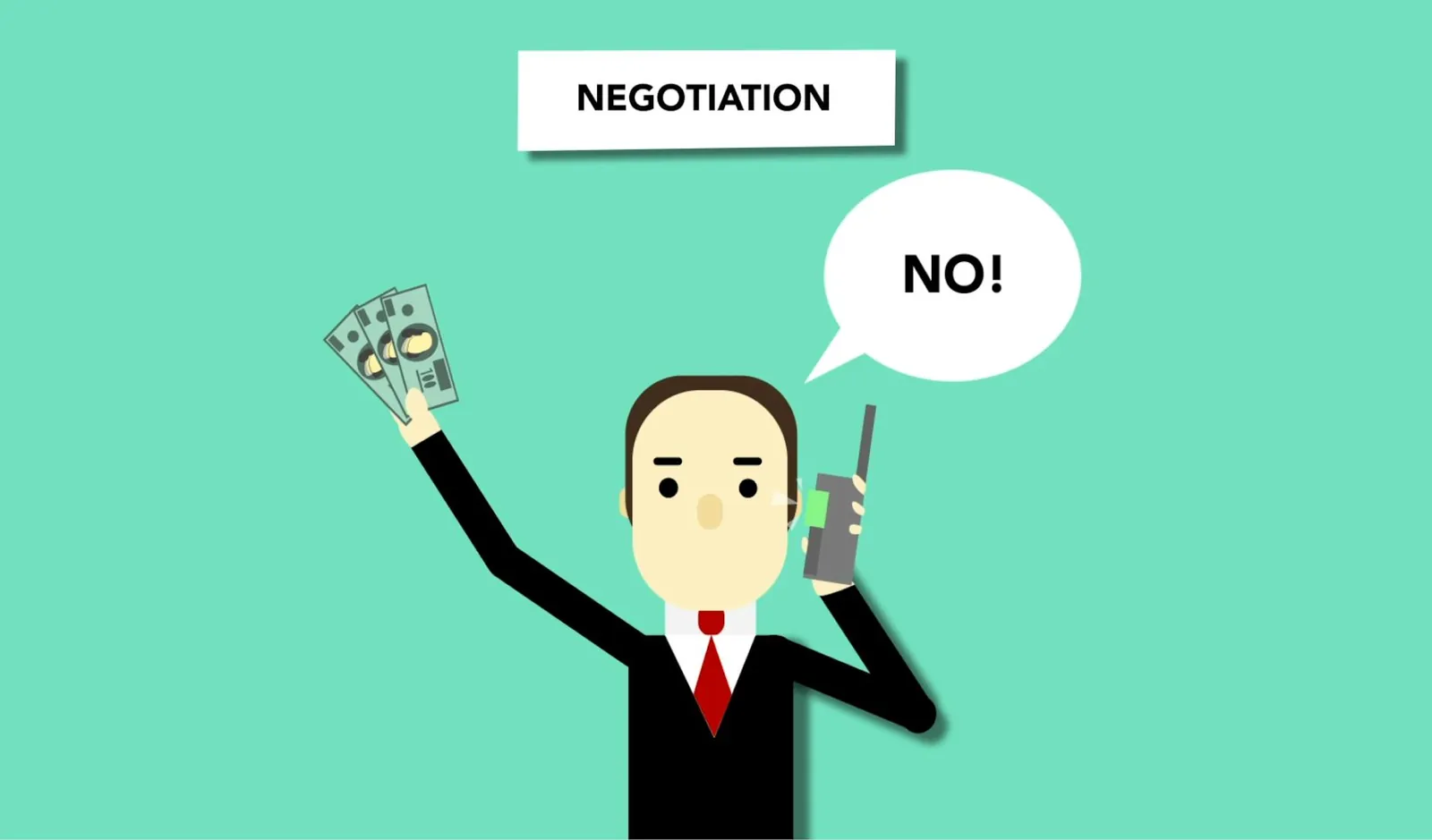
Understanding the Importance of Preparation
Embarking on a salary negotiation requires more than just summoning the courage to ask for more money. It's about preparing thoroughly, knowing your worth, and understanding the market dynamics. An unprepared negotiation can leave you with less than you deserve or, worse, strain your relationship with your employer.
Effective preparation increases your chances of not only getting a salary increase but also enhancing your standing within the organization. Let's delve into the specific techniques that will equip you for a successful negotiation.
Researching Industry Standards
To negotiate effectively, begin with understanding what others in your role and industry are earning. Here's how you can approach this:
- Utilize Salary Surveys: Platforms like Payscale, Glassdoor, and LinkedIn offer comprehensive salary reports. Use these to gauge average salaries in your field.
- Network Insights: Reach out to professional connections in your industry. A discreet conversation can provide insights that aren't publicly available.
- Company Comparisons: Research similar roles within competitor companies. This provides a contextual understanding of where your company stands in terms of compensation.
By compiling this data, you form a benchmark that supports your case during negotiations.
Case Study: Jane's Research
Jane, a project manager in tech, was aiming for a salary increase. She spent a week collecting data from various sources. With industry-standard salaries in hand, she confidently approached her manager, resulting in a 15% increase.
Developing Your Value Proposition
Your value proposition is a succinct statement of your worth to the company. It should encapsulate your achievements, skills, and how you add value to the organization. Here's how to craft it:
- List Your Achievements: Quantify your successes. For example, "Increased sales by 20% over six months."
- Highlight Unique Skills: What do you offer that others don't? Include any specialized training or certifications.
- Align with Company Goals: Show how your contributions have supported the company's objectives.
This approach ensures you're not just asking for more money but demonstrating why you deserve it.
Scenario: Mark's Proposition
Mark, an engineer, developed a software feature that saved his company $50,000 annually. He highlighted this achievement in his value proposition, which played a pivotal role in securing a higher salary.
Timing Your Negotiation
The timing of your negotiation can influence its outcome significantly. Consider these factors:
- Company Financial Health: Time your request during profitable quarters or when annual budgets are being set.
- Your Performance Reviews: Align your negotiation with performance appraisals when your achievements are already in focus.
A well-timed negotiation can capitalize on positive sentiment and financial readiness within the company.
Practical Tip: Perfect Timing
Alice noticed her company had landed several new clients. She initiated her salary discussion shortly after this period of growth, resulting in a favorable outcome.
Building Confidence Through Practice
Nervousness can undermine even the best-prepared negotiations. Building confidence through practice is essential. Try these methods:
- Role-Play Scenarios: Practice with a trusted friend who can provide feedback on both content and delivery.
- Meditation Techniques: Techniques such as deep breathing or visualization can calm nerves before the meeting.
The aim is to enter the negotiation room self-assured and ready to advocate for yourself effectively.
Process Checklist for Confidence
- Identify key points and rehearse them.
- Engage in mock negotiations with friends or mentors.
- Utilize relaxation techniques to ease pre-meeting stress.
Navigating Common Objections
You may face objections during negotiations, such as budget constraints or performance concerns. Prepare responses to these common hurdles:
- Budget Concerns: Offer alternatives like phased increases or performance-based bonuses.
- Lack of Available Positions: Suggest additional responsibilities or roles that align with your career goals as part of the raise package.
This foresight demonstrates adaptability and determination, qualities valued by employers.
Example Dialogue
If faced with "We don’t have the budget," reply with, "I understand budget constraints and am open to discussing performance-based incentives as an alternative."
Conclusion: Securing Your Future
A successful salary negotiation extends beyond securing immediate financial gains; it's an investment in your future career trajectory. By researching industry standards, crafting a compelling value proposition, choosing the right timing, building confidence, and navigating objections gracefully, you position yourself as a valuable asset deserving of appropriate compensation.
Your approach should be one of collaboration rather than confrontation. Show that your request aligns with both personal ambitions and organizational goals. Remember, preparation is not just about what you ask for but how you ask for it.