Aligning Your Skills: Tailoring Resumes for Remote Opportunities
Understanding the Remote Work Landscape
The landscape of work has been transforming significantly over the past few years, with remote work becoming increasingly common. Companies are now more open to hiring talent from across the globe, seeking individuals who can deliver results without being tethered to a physical office.
This shift demands new strategies for job seekers, particularly in how they present their skills and experiences on their resumes.
What Employers Look For in Remote Workers
Employers seek specific qualities when considering candidates for remote positions. Skills like self-motivation, excellent communication, and the ability to work independently are critical. Highlighting these attributes in your resume can set you apart from other applicants.
Additionally, employers value technical proficiency with digital tools commonly used in remote settings, such as video conferencing software, project management apps, and collaborative platforms like Slack or Microsoft Teams. Demonstrating familiarity with these tools can bolster your application.
Tailoring Your Resume: Key Strategies
1. Highlight Relevant Skills
To tailor your resume effectively, begin by identifying the skills that are particularly relevant to remote work. These can include:
- Time Management: Ability to manage your own schedule efficiently.
- Communication: Proficiency in digital communication channels.
- Tech Savvy: Experience with online collaboration tools.
Once you've pinpointed these skills, ensure they are prominently featured in your resume's skill section. Use clear examples or achievements to demonstrate proficiency.
2. Optimize the Summary Section
Your resume summary should be concise but powerful, summarizing why you are an ideal candidate for remote opportunities. Consider this example:
"Dedicated project manager with over five years of experience leading teams remotely. Skilled in using agile methodologies and fostering effective virtual communication to deliver projects on time."
This summary not only highlights relevant experience but also emphasizes key skills pertinent to remote work.
3. Adjust Your Work Experience
When detailing your work experience, emphasize roles where you have successfully managed or collaborated with remote teams. Be specific about your contributions and outcomes.
For instance, rather than stating "Managed a team," you could write "Led a cross-functional team of 10 members located in three countries, implementing weekly virtual check-ins to ensure project milestones were met." This provides a clear picture of your capability to thrive in a remote environment.
Leveraging Keywords for ATS Systems
Many companies utilize Applicant Tracking Systems (ATS) to screen resumes. Tailoring your resume with keywords from the job description is crucial for passing this initial filter. Analyze the job posting carefully and integrate relevant keywords naturally throughout your resume.
Example Workflow: Incorporating Keywords
- Identify keywords related to remote work such as "virtual collaboration," "self-starter," and "flexible scheduling."
- Weave these keywords into your resume summary, skills list, and job descriptions.
- Avoid keyword stuffing; ensure each usage feels organic and justified by your experiences.
Crafting a Standout LinkedIn Profile
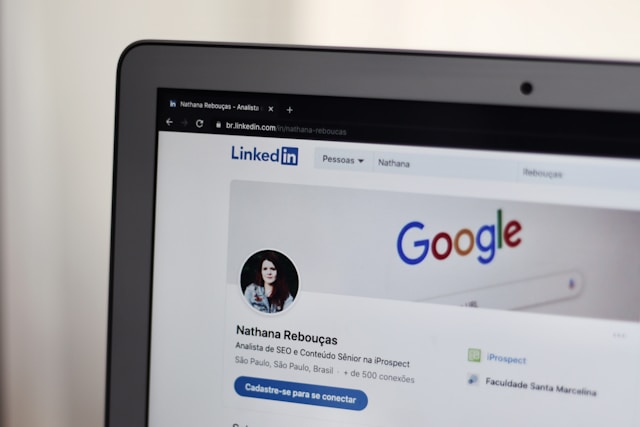
Your LinkedIn profile should complement your tailored resume. Here are some tips to ensure it aligns well with your pursuit of remote work:
Optimize Your Headline
Your LinkedIn headline is one of the first things employers notice. Craft a headline that reflects your suitability for remote roles, such as "Remote Project Manager Specializing in Agile Teams." This immediately communicates your expertise and interest in remote work.
Detail Remote Work Achievements
In the experience section, detail your accomplishments in remote roles just as you would on your resume. Consistency between your resume and LinkedIn profile reinforces your professional narrative.
Utilize LinkedIn's Features
- Recommendations: Ask colleagues or supervisors from previous remote roles for recommendations that specifically mention your skills in remote settings.
- Skills Endorsements: Ensure key skills relevant to remote work are endorsed by connections.
Scenarios and Process Checklists for Effective Resume Tailoring
Scenario: Transitioning from Office to Remote Work
You’re applying for a remote position after years of office-based work. To tailor your resume:
- Emphasize any past experiences where you engaged in virtual meetings or coordinated with geographically dispersed teams.
- If applicable, include any professional development courses related to remote work technologies or methodologies.
Process Checklist: Tailoring Your Resume
- Review the job description thoroughly and note important skills and keywords.
- Edit your resume summary to highlight these skills concisely.
- Adjust your job descriptions to showcase relevant experiences with specific outcomes or achievements.
- Double-check for consistency between your resume and LinkedIn profile.
By following these steps, you will create a compelling resume that aligns perfectly with the demands of remote opportunities, setting you up for success in this ever-evolving job market.