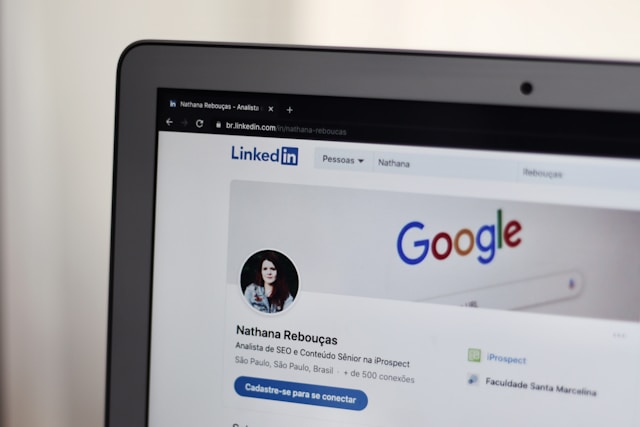
Optimizing Your LinkedIn Profile with Strategic Keywords for Job Seekers
The Importance of Keywords in Your LinkedIn Profile
In today's competitive job market, having a strong LinkedIn profile is essential. With over 800 million users, LinkedIn has become the go-to platform for professionals seeking new opportunities and recruiters looking to fill positions. One of the most effective ways to enhance your LinkedIn profile is by optimizing it with strategic keywords.
These are specific terms that potential employers and recruiters are likely to search for when looking for candidates with your skills and experience.
Understanding LinkedIn's Search Algorithm
LinkedIn uses a search algorithm that prioritizes profiles containing relevant keywords, making it crucial to know how this system works. The algorithm considers multiple factors, including keyword placement, completeness of your profile, connections, and engagement levels. By strategically placing keywords throughout your profile, you increase the chances of appearing in search results for the roles you're targeting.
Identifying the Right Keywords
The first step in optimizing your LinkedIn profile is identifying the most relevant keywords for your industry and career goals. Start by reviewing job descriptions for the roles you are interested in. Look for common phrases and skills that appear frequently across multiple listings.
- Job Titles: Use precise job titles that match your expertise.
- Skills: Include hard and soft skills that are in demand.
- Industry Terminology: Use jargon specific to your field to demonstrate expertise.
A tool like LinkedIn's own Skills & Endorsements section can also be useful in identifying popular skills that align with your professional background.
Strategically Placing Keywords in Your Profile
Once you have identified the right keywords, it's time to strategically incorporate them into various sections of your LinkedIn profile.
Headline
Your headline is one of the first things people see when they visit your profile. It should be more than just your job title; include a combination of keywords that succinctly describe what you do and the value you bring. For example, instead of "Marketing Manager," use something like "Digital Marketing Manager | SEO Specialist | Content Strategist."
About Section
The About section is an excellent place to weave in a narrative about your career while embedding important keywords. Start with a compelling opening sentence that hooks the reader, then detail your professional journey, highlighting key accomplishments and skills. Aim for a blend of storytelling and keyword usage without resorting to keyword stuffing, which can make your profile seem unnatural.
Experience
In the Experience section, list specific achievements using metrics where possible. For instance, instead of saying "Managed marketing campaigns," you could write "Developed and managed digital marketing campaigns that increased engagement by 30% within six months." Including such quantifiable data not only adds credibility but also allows you to incorporate additional keywords naturally.
Enhancing Your Profile with Additional Sections
LinkedIn offers several additional sections that can be optimized with keywords, providing more opportunities to showcase your skills and experience.
Skills & Endorsements
Add up to 50 skills relevant to your career and encourage colleagues to endorse them. Prioritize skills that align closely with the job descriptions you've reviewed.
Recommendations
Recommendations serve as personal testimonials from colleagues or supervisors. Request recommendations that highlight key skills and projects you've worked on together. Be specific in your request, suggesting areas or projects they might mention.
Projects & Publications
If applicable, use the Projects or Publications sections to feature work where you've demonstrated significant skills or leadership. Each entry can serve as another point of contact for keyword integration while showcasing concrete examples of your abilities.
The Role of Networking and Engagement
Your presence on LinkedIn is not just about having a well-optimized profile; it's also about being active within the community. Engaging with posts, sharing industry-relevant content, and participating in groups can increase your visibility.
Join Relevant Groups
Becoming a member of groups related to your industry provides networking opportunities and insight into current trends. Engaging with group content can also introduce you to new keywords to incorporate into your profile.
Content Sharing and Interaction
Regularly share articles or insights about industry trends or projects you're working on. This not only demonstrates expertise but also keeps you visible to your network.
Monitoring and Adjusting Your Keyword Strategy
Your keyword strategy should evolve as you progress in your career or as industry trends shift. Regularly review job postings to update your skills and ensure they align with current market demands.
- Keep Up with Industry Changes: Stay informed about new trends in your field to adjust keywords accordingly.
- Profile Analytics: Utilize LinkedIn's analytics tools to monitor how often you appear in searches and adjust your profile based on this feedback.
Conclusion: Maximizing Opportunities Through Optimization
By incorporating strategic keywords into your LinkedIn profile, you not only increase its visibility but also enhance its effectiveness as a professional tool. Remember, while keywords are important, authenticity remains key. Craft a profile that genuinely reflects who you are professionally while keeping it aligned with current industry demands. This thoughtful approach will significantly improve your chances of attracting the attention of recruiters and advancing in your career journey.